Categories
Uncategorized

Do artists earn enough from streams?

It’s hard not to feel overwhelmed by a fast-paced, ever-evolving world that seems to prioritise constant innovation and improved efficiency. Our precious attention is constantly fought for by the next viral video, another must-have phone or some controversial tweet. Amongst this noise, it is always worth questioning whether genuine progress is being made. Who is benefitting from such innovations? How can we implement worthwhile, meaningful change?

MPs from the Digital, Culture, Media & Sport Committee have launched an inquiry into the economics of the music streaming industry. With streaming via platforms like Spotify and Apple Music, it accounts for over half of the global music industry’s revenue. As a user, these streaming services are great – I pay a small amount per month for access to a never-ending catalogue of music and podcasts. This inquiry will investigate the sustainability of this market for the artists, labels and wider industry.

Streaming in the UK has generated a revenue of over a billion pounds, but artists can receive as little as 13% of this. Of course, the music industry is complicated, with so many different people needing to be paid (labels, publishers, song-writers, musicians, producers…), but the bottom line is unless you are in that top bracket of hugely successful artists, it isn’t really possible to earn a living from streams.

Algorithms might benefit platforms in maximising income from streaming but they are a blunt tool to operate in a creative industry with emerging talent risking failing the first hurdle.  

DCMS Committee Chair Julian Knight MP

Spotify is simultaneously the most popular streaming service and the one that pays the least per stream (about £1 per 250-500 streams).

Calling for reform, the #BrokenRecord campaign was founded earlier this year, by musician Tom Gray.

In a YouGov survey commissioned by this campaign, it was revealed that 77% of people think that artists are not paid enough by the current way subscription fees for streaming services are distributed.

Would you pay more for your subscription if this meant more money for the artist?

Even if you would, the solution probably isn’t as simple as this. Music fans may be surprised to found out that under the current model, the subscription fee you pay does not get distributed to the music that you personally stream. As much as 70% of the money you pay could go to the owners of the rights of music you’ve never even listened to.

Despite the popularity and impact of music streaming soaring in recent years, the business models have remained pretty much stagnant for a decade. Particularly during a time like now where those who work in the arts are facing the inability to perform live, it seems like the perfect moment to question how these businesses can do more to support artists and enable them to actually make a living from their work.


Put your email in here to get nudged whenever I publish a new post!
Categories
Uncategorized

Algorithms and the Artist

During my first week as a summer intern at Infectious PR, I did a lot of research into how Spotify’s algorithmic playlists work. This highlighted the how the relationship between the artist and mediums through which they release their music can influence each other. For an up and coming artist creating music today, the prominence of streaming services and how they work can influence not just their marketing strategy and how they engage with their fans, but also the music-making process and decisions themselves.

The role of technology in the music industry stretches way back before streaming. When the gramophone record was the standard format of consuming music, it had a capacity of about 3-5 minutes per side. This physical limitation imposed a restriction on the length of a piece of music the artist could record.

Following from this, the 12 inch vinyl record could hold 44 minutes of recording in total across both sides. If an artist wanted to release an album longer than 44 minutes, they could do so via a double album release, but this was often discouraged by labels because it was considered less marketable. This is an example of how the nature of the music technology influenced the artist’s creative output.

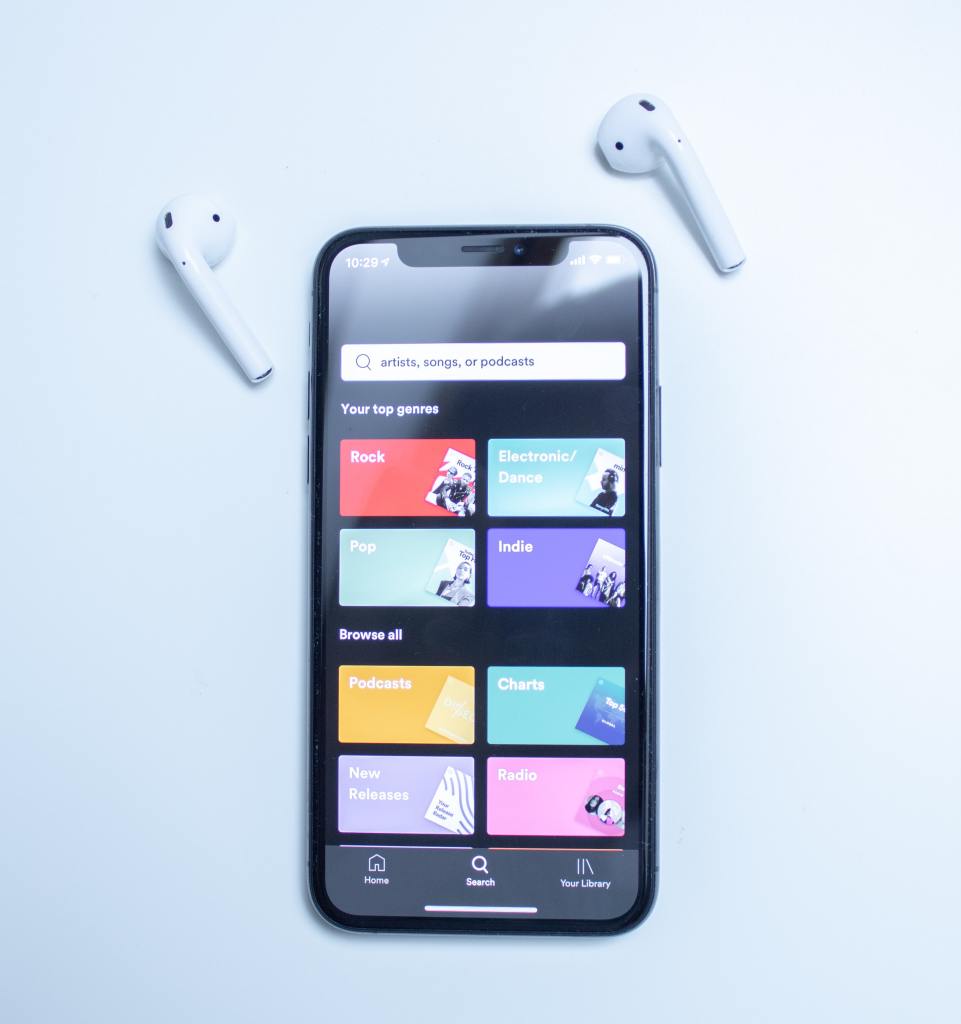
Fast forward to today, and streaming dominates the music listening world. Spotify’s algorithms can be used by an artist and their team to boost the artist’s number of streams, translating into overall growth. There are many different elements and models to these algorithms, that all contribute to the user experience.

One example, is that a stream of a song only counts on Spotify if the user listens past the 30 second mark. This may influence the artist’s musical choices in that they may be swayed away from having a long introduction on a song, and towards making the song as immediately engaging as possible within the first few seconds.

Additionally, with access to an almost terrifying amount of music at our fingertips, the listener’s patience may have reduced, leading to them to favour shorter projects, as they don’t have the focus to sit and listen to an album that is over an hour long. The releases of albums produced by Kanye West in 2018 comes to mind, including his own 23-minute album ye, a 21-minute album DAYTONA produced for Pusha T, and a 22-minute album K.T.S.E. produced for Teyana Taylor.

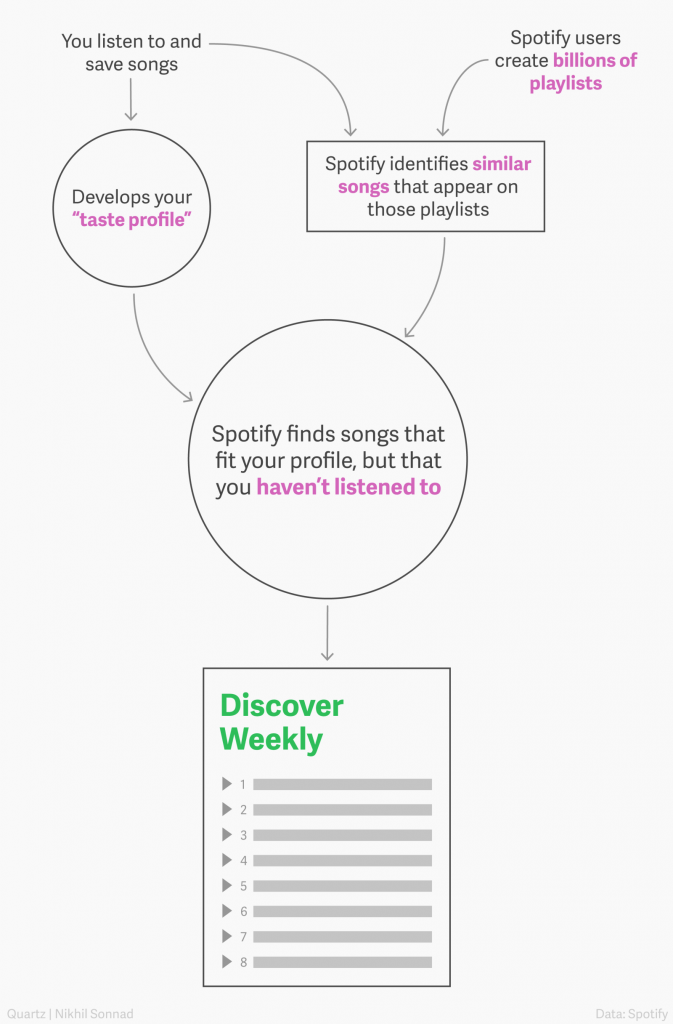
To give another example, one algorithm model that Spotify uses to create the user’s personalised Discover Weekly playlist, is they use all their user’s listening data to identify their tastes, and which users listen to similar artists. Put simply, if two users listen to similar artists, and User A listens to an artist User B doesn’t, then it is likely that artist will appear on User B’s discover Weekly. As well as tracking user activity, Spotify crawls everything on the internet, from social media to blogs to Wikipedia, to identify key words about each artist and which artists are typically associated with which genres and artists. The fact that streaming services operate in this way may encourage artists to create music that is similar to what is already popular, so that they can jump on these trends, make it onto the big playlists, and so on.

Some more avid music fans may feel disappointed at the thought that artists are creatively influenced by the way streaming services operate. Shouldn’t the artist be making the music they want to make, regardless of how it might be received, or how it fits into the current landscape? I certainly wouldn’t want my favourite artists abandoning their own music judgement in favour of pursuing a structure that will get them more streams from the algorithms.

Despite this, as I have shown, technology has always influenced musical creation, going back to gramophones and probably before. So perhaps it’s just one trend that will inevitably morph into another when the next big way of consuming music comes around. I am also hopeful that if an artist is truly creating great music, this will be picked up on, noticed, and loved even if it happens to have a super long introduction, or be very un-spotify-playlist-worthy.

Categories
Uncategorized

In My Earphones Right Now

It has been about a month since I gave a little update on what songs I’m enjoying at the moment, so here are some of the tunes that are stuck on repeat for me.

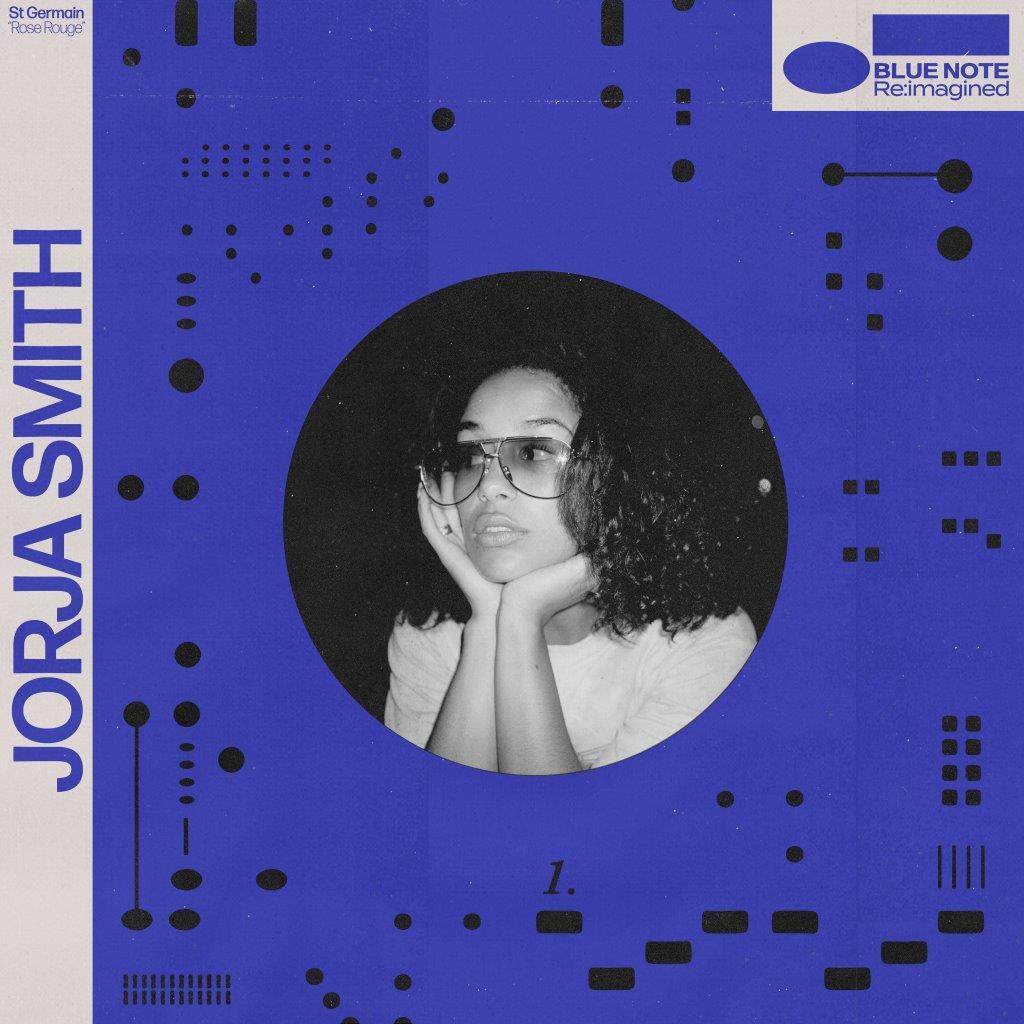
Rose Rouge by Jorja Smith

Blue Note Records, the legendary jazz label, have announced their Blue Note Re:imagined collection. This will feature reworks of classic Blue Note tracks recorded by current and uprising UK talent. This version of the track originally released by St Germain in 2000 (and sampled from Marlena Shaw’s 1973 album), is the lead single for this upcoming collection.

Friday 13th by Gorillaz feat. Octavian

Gorillaz have been collaborating with other artists over the past few months for their ‘Song Machine’ series. They have pretty much been dropping songs with accompanying videos randomly and unpredictably. You never know when they’ll surprise us with another one – a refreshing approach to releasing new music. This is the fourth song in the series, and took me a few listens to really get into. It’s chilled-out dreaminess combined with Octavian’s raspy vocals makes for a great listen.

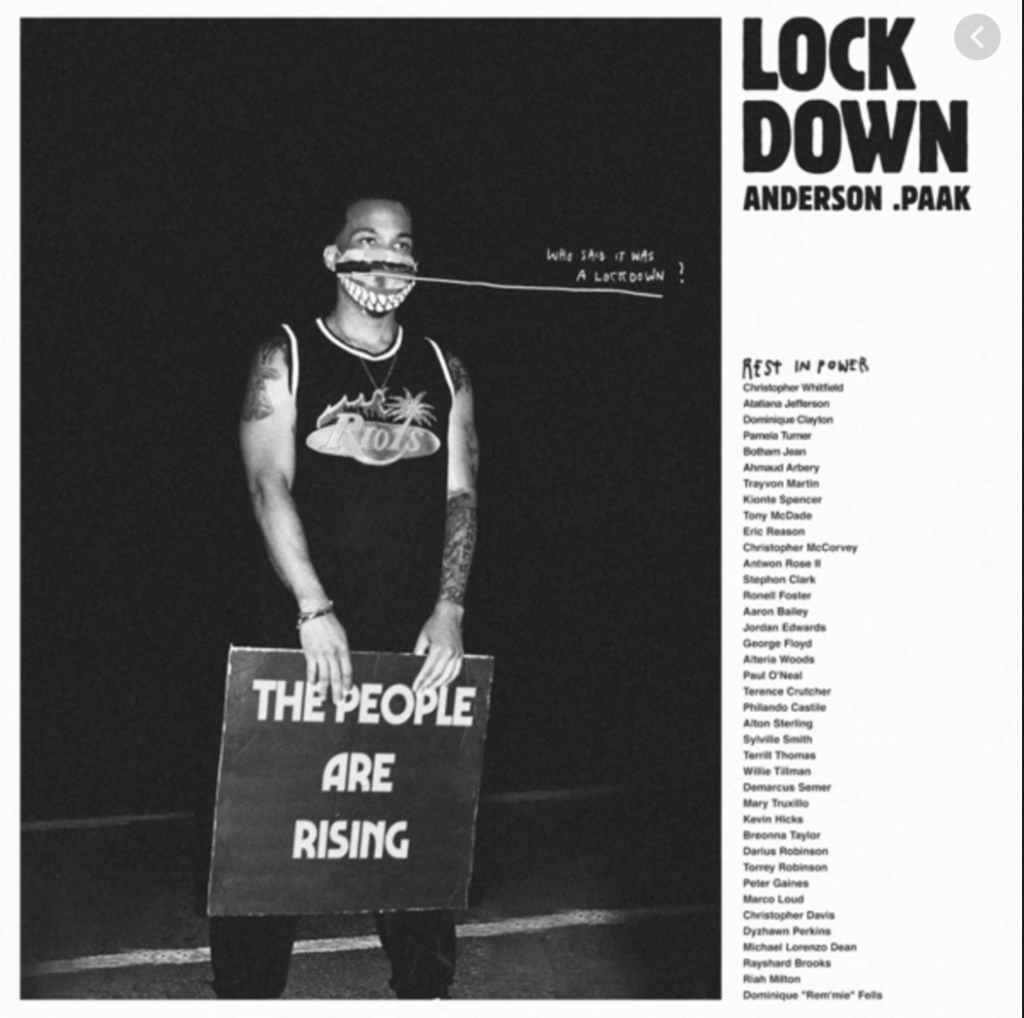
Lockdown by Anderson.Paak

Paak released this powerful reflection on Juneteenth, a holiday celebrating the liberation of slaves on June 19th 1865. It centres around the recent Black Lives Matter protests, and their accompanied backdrop of the virus. The stripped-back yet funky instrumental puts the spotlight on the lyrics. In one poignant line he calls out the media’s focus on looting which distracts from the true important cause: “And won’t you tell me ’bout the lootin? What’s that really all about? ‘Cause they throw away black lives like paper towels.” The music video is a must-watch too – it authentically encompasses the experiences of many right now.

Tape by Starchild & The New Romantic feat. Toro y Moi

I think I found this single because of the Toro y Moi feature, and the full album was released last week. Starchild, A.K.A Bryndon Cook, was a touring guitarist with Solange, no less! It’s a moody, groovy, crossover between indie and R&B. I’m excited to listen to the newly released album and maybe exploring some of Starchild’s back catalogue too.

Catkin and Teasel by µ-Ziq

To throw in a slightly different recommendation, that may not be for everyone, here is a track I found in the middle of my deep essay-writing hole last month. It is from the 1997 album Lunatic Harness released by electronic producer Mike Paradinas under his stage name µ-Ziq. This song has so many intricacies, from the unpredictable drums to the soothing melodies – it’s a journey!

Thanks for reading – enjoy the sun 🌞

Categories
Uncategorized

Can musical opinions ever be right or wrong?

The following post was written in order to procrastinate from writing an essay – enjoy!

Reporting in from my writing cave

I have been thinking about the topic of ‘aesthetic appreciation’ (which is essentially admiring beauty in things like art and nature) in my philosophy course. This includes questions like: ‘are all aesthetic judgements valid?’; ‘can we be objectively wrong about judgements of beauty, or about opinions on art?’; ‘is an opinion backed up by knowledge more valid than one that isn’t?’.

These sorts of thoughts can translate nicely into a discussion on music. Music critics, review websites, and YouTubers are held of high authority for a lot of music-lovers. If a new album receives a rating of 5/10 on Pitchfork, a lot of people may be deterred from giving it a listen. But do these sorts of numerical ratings actually make any sense? How possible is it that you could listen to an album that was slated by critics yet you end up absolutely loving it?

I think it’s really interesting to think about the process of a consumer listening to a song/album for the first time, and how their interactions, preconceptions and understanding of context affects their judgements about what they hear.

Music, as well as art in general, is such a personal experience, both for the creator and the consumer. I’m not too sure if it’s ever conceivable that somebody could objectively judge a piece of music, removing all of their personal preferences, life experiences, and even musical knowledge from the equation to judge what they hear completely as it comes. I guess, just as the listener enters into a music moment with an inescapable bias of preference and personal experience, the artist themselves created their music in the midst of a web of their own preference and context. Subjectivity is simply part of an aesthetic experience for both creators and non-creators alike.

Despite all this, we do trust certain people’s opinions on music. I am more likely to listen to a hip-hop recommendation by a world-renowned hip-hop DJ who was around during the birth of the genre, compared to a recommendation by a 12-year-old who has found an album they like to dance to. But what really grounds this preference? I think what is at the core of this is the added appreciation someone can get out of listening to some music when they have some sort of added knowledge about the historical, personal and artistic context. There are certain things you can never know about the ins-and-outs of an album just by listening to it. Something like the ‘Dissect’ podcast series is a great example of how much more you can appreciate an album having learned more about it.

At the same time, it is equally valid to digest a piece of music and love it, simply because of how it makes you feel, or because it reminds you of a memory. Unfortunately, I don’t really have a clear cut conclusion here, or solid answer (typical philosopher!!!!!).

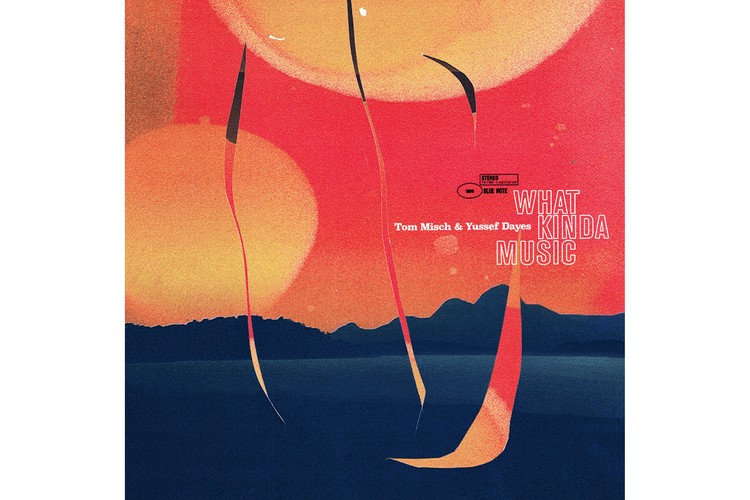
So, to finish off for today, here’s some bits and bobs I’ve been listening to this week:

Categories
Uncategorized

My DJ Debut

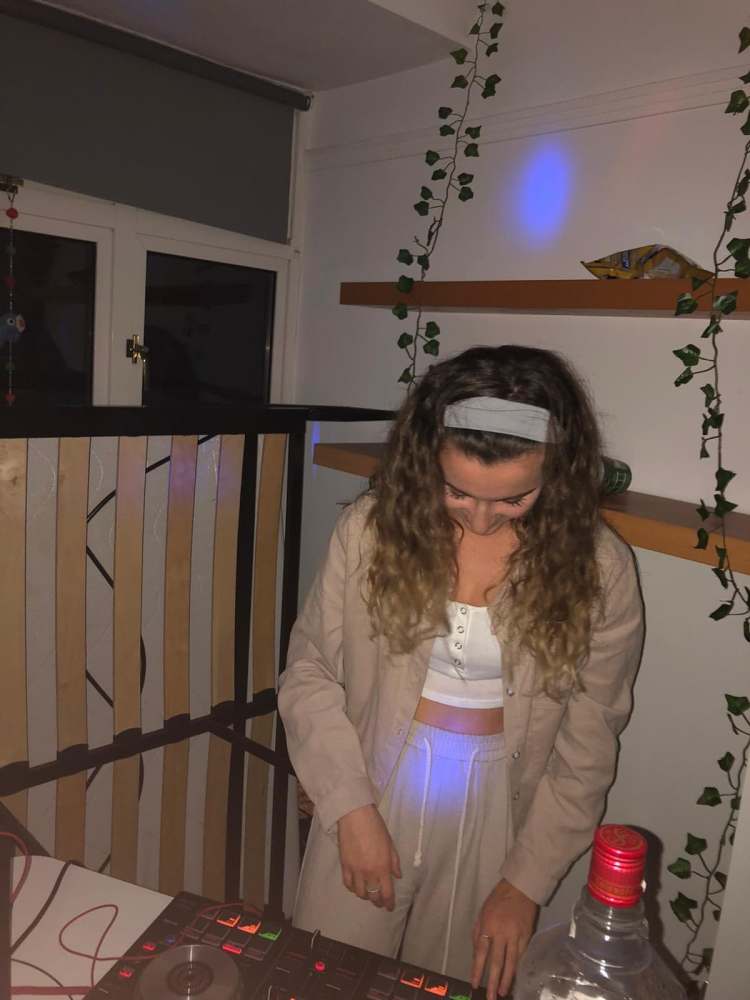
The story of last Saturday night. One moment, I was popping in to a friend’s birthday party, the next, I was behind the decks DJing in front of other people for the first time!

Unfortunately there is not a vast selection of photo evidence from my big night 😦

As my introductory post mentions, around the age of 17 I downloaded some free software on my laptop and began to teach myself the basics of DJing. This led me to buy a very cheap second-hand controller on eBay, with which I practised some more at the start of my time at university. With lack of money to invest in better software /equipment, and lack of spare time due to settling in at uni, the DJing took a back seat, but has always been a brewing interest for me.

So, when dancing in one of the rooms of this party, having spotted that the DJ had disappeared for a while, my friends ushered me behind the DJ table. This is where my spontaneous, unrehearsed DJ debut began. My big moment had arrived (which in reality consisted of a crowd of about ten). I began frantically searching artists on the laptop in front of me, and ended up mixing songs for about half an hour. It could have been completely coincidentally, but the room did fill up during my moment playing the tunes. It was a lot of fun!

Which songs did I decide to play? I knew that a lot of people in the room loved Hip Hop, because I had seen their positive reactions to the occasional Hip Hop songs the DJ before me had played, so I ran with this. It is important to find the sweet spot of playing songs that both most people will know the words to AND that are actually really good songs too. Here’s a few examples of what I picked:

  • Antidote by Travis Scott
  • Hotline Bling by Drake
  • T-Shirt by Migos
  • Father Stretch my Hands Pt. 1 by Kanye West
  • Swimming Pools by Kendrick Lamar

Who knows when I’ll next have this sort of opportunity again, but for now I am happy with my list of DJing gigs finally going up to a total of one!

Design a site like this with WordPress.com
Get started