
The following post was written in order to procrastinate from writing an essay – enjoy!

I have been thinking about the topic of ‘aesthetic appreciation’ (which is essentially admiring beauty in things like art and nature) in my philosophy course. This includes questions like: ‘are all aesthetic judgements valid?’; ‘can we be objectively wrong about judgements of beauty, or about opinions on art?’; ‘is an opinion backed up by knowledge more valid than one that isn’t?’.
These sorts of thoughts can translate nicely into a discussion on music. Music critics, review websites, and YouTubers are held of high authority for a lot of music-lovers. If a new album receives a rating of 5/10 on Pitchfork, a lot of people may be deterred from giving it a listen. But do these sorts of numerical ratings actually make any sense? How possible is it that you could listen to an album that was slated by critics yet you end up absolutely loving it?
I think it’s really interesting to think about the process of a consumer listening to a song/album for the first time, and how their interactions, preconceptions and understanding of context affects their judgements about what they hear.
Music, as well as art in general, is such a personal experience, both for the creator and the consumer. I’m not too sure if it’s ever conceivable that somebody could objectively judge a piece of music, removing all of their personal preferences, life experiences, and even musical knowledge from the equation to judge what they hear completely as it comes. I guess, just as the listener enters into a music moment with an inescapable bias of preference and personal experience, the artist themselves created their music in the midst of a web of their own preference and context. Subjectivity is simply part of an aesthetic experience for both creators and non-creators alike.
Despite all this, we do trust certain people’s opinions on music. I am more likely to listen to a hip-hop recommendation by a world-renowned hip-hop DJ who was around during the birth of the genre, compared to a recommendation by a 12-year-old who has found an album they like to dance to. But what really grounds this preference? I think what is at the core of this is the added appreciation someone can get out of listening to some music when they have some sort of added knowledge about the historical, personal and artistic context. There are certain things you can never know about the ins-and-outs of an album just by listening to it. Something like the ‘Dissect’ podcast series is a great example of how much more you can appreciate an album having learned more about it.
At the same time, it is equally valid to digest a piece of music and love it, simply because of how it makes you feel, or because it reminds you of a memory. Unfortunately, I don’t really have a clear cut conclusion here, or solid answer (typical philosopher!!!!!).
So, to finish off for today, here’s some bits and bobs I’ve been listening to this week:


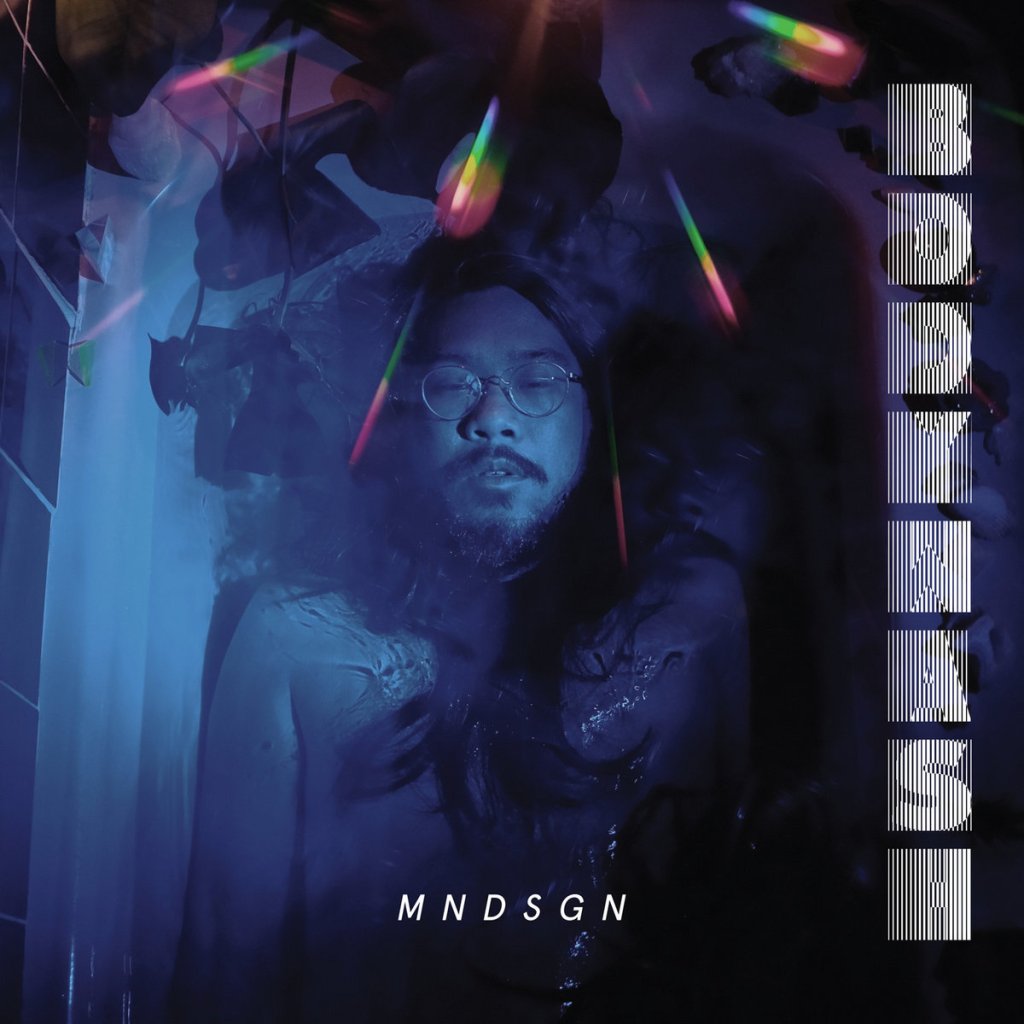
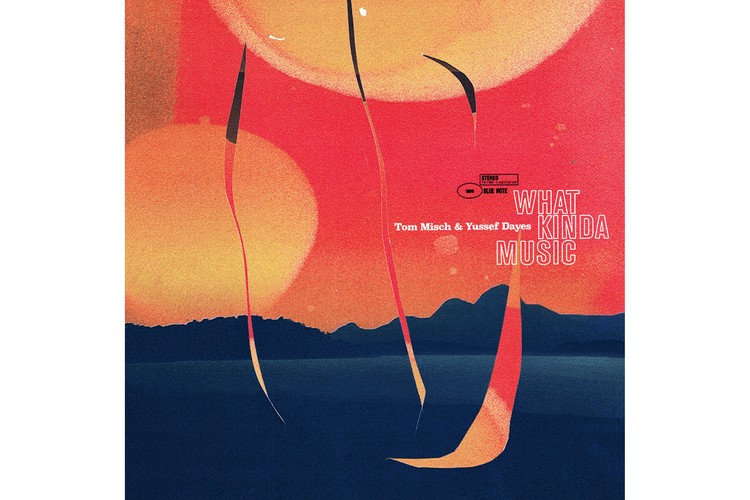
 Stuck On Repeat with Leah
2 replies on “Can musical opinions ever be right or wrong?”
Food for thought
LikeLiked by 1 person
I can often be considered guilty of holding too much store by the words of critics and reviews. That’s why, where possible I have learnt to form my own opinion BEFORE reading those of others. Sometimes we agree and when we do not, and they have written a negative view, boy am I pleased I haven’t missed out on the joy.
LikeLiked by 1 person